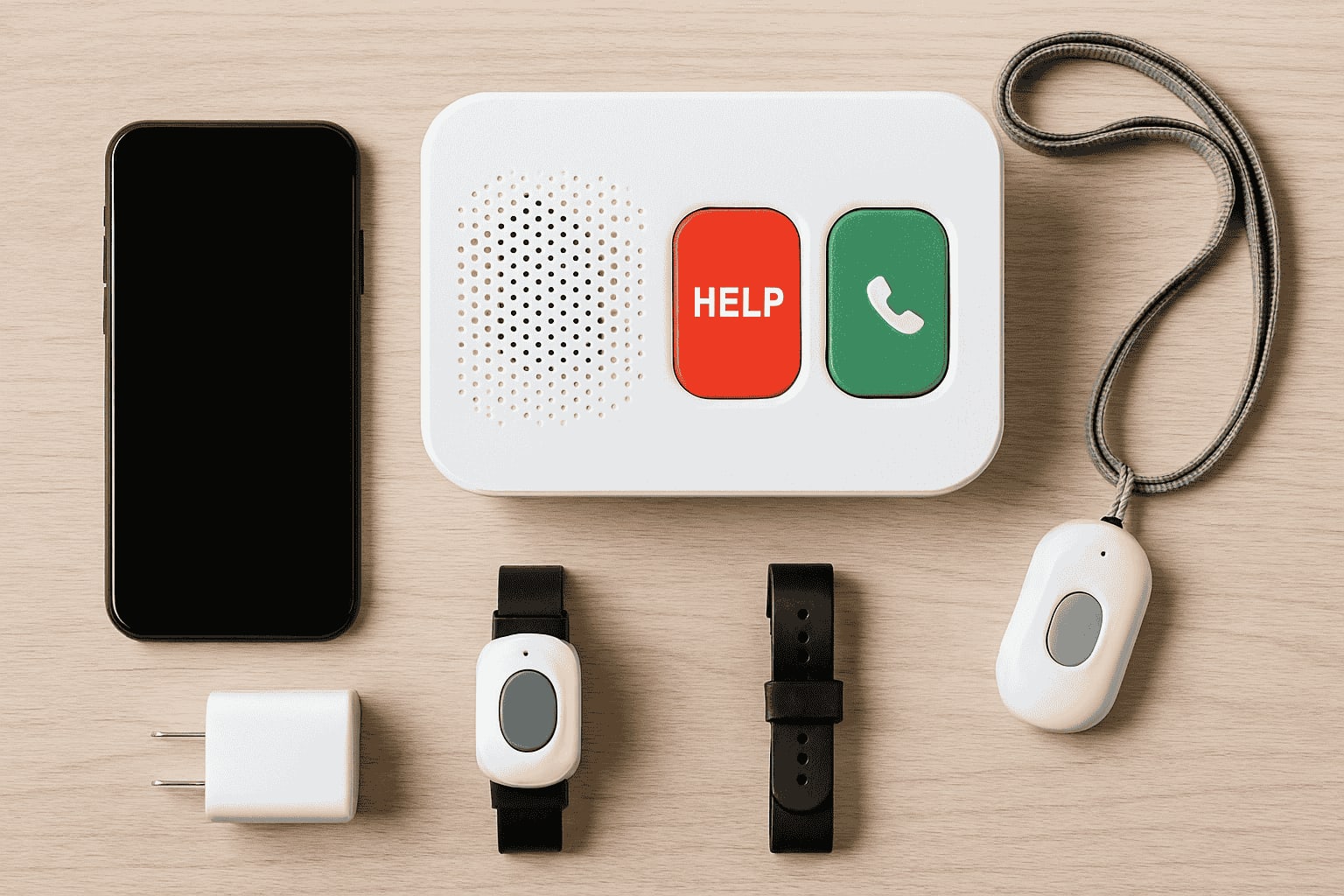
For elderly individuals living alone, medical alert systems can be critical safety tools . With over 646,000 annual fall-related deaths in the US, these devices can save lives with the push of a button.
However, the basic Medicare coverage plans do not cover these systems. This could pose financial strain with a typical monthly price of $20-$50 that many seniors on fixed incomes may struggle to afford.
As a healthcare and pharmaceutical specialist, I understand how important it is for seniors to have support systems like Medical Guardian that enable safe, independent living. I'll guide you through which Medicare coverage plans and alternatives can help you get assistance so that cost doesn't stand in your way of living a fulfilling life.
» Learn how to choose the right medical alert system to fit your lifestyle.
Why Does Medicare Not Cover Medical Alert Devices?
Medical alert systems (necklaces, bracelets, or watches) like One Call Alert can be lifesavers for seniors—so why isn't it covered?
Paul Miller, a certified public accountant and managing partner of Miller & Company LLP, says that Medicare doesn't cover this because it doesn't fit the definition of durable medical equipment.
Medicare coverage is based on three main factors:
- Laws: The federal and state governments pass laws that set basic rules for what Medicare can and cannot cover.
- National coverage decisions: Medicare decides if it will cover certain services, tests, equipment, and other items nationally.
- Local coverage decisions: Private insurance companies in each state process Medicare claims. They determine if an item or service is medically necessary for someone to receive in their area.
Medicare doesn't cover items that aren't considered medically necessary—even if they may be helpful or essential for a person's mobility. An example could include home modifications like widening doorways or installing handrails.
What Does Medicare Part A and B Cover?
Most people get Part A coverage for free. You can qualify if you or your spouse worked and paid Medicare taxes for at least 10 years. It covers essential hospital stays, skilled nursing care, hospice, lab tests, and home health services.
Part B costs $174.70 monthly (or higher, depending on your income). It covers doctor visits, outpatient care, preventive services, and medical equipment like canes and oxygen tanks. Part B is usually deducted from your monthly Social Security benefit.
Does Medicare Part C Cover Medical Alert Systems?
Yes, certain Medicare Advantage plans cover medical alert systems, also referred to as personal emergency response systems (PERS). The policy specifics can vary in different states. Before enrolling, investigate if this plan includes ADT Health devices or similar systems.
Part C bundles coverage that major private insurance companies provide instead of original Medicare. The plans combine the benefits of Part A (hospital insurance) and Part B (medical insurance). They also often include extras like vision, dental, and hearing aids.
Recent Changes in Medicare Policies
Medicare recently increased the standard Part B monthly premium by 5.9%. This change may impact you if you're part of the Original Medicare (Part A and Part B) or a Medicare Advantage Plan (Part C). It especially affects people seeking state assistance programs.
Looking into insurance plans under Medicare Part C may lead to higher costs, though you can deduct some expenses from your taxes. Remember to check the coverage details from private insurers to make informed choices.
Can I Cover Medical Alert Systems Through Medicaid?
State-specific Medicaid programs might offer coverage for those eligible for medical alert systems. For instance, the Home and Community-Based Services (HBCBS) program provides waivers for seniors who prefer long-term care at their residences instead of nursing homes.
These waivers can include provisions for personal emergency response systems in some states. I advise exploring these options, as eligibility and coverage can differ based on income, assets, and care requirements.
Alternative Ways to Pay for Medical Alert Systems
Manufacturers Discounts
You might be wondering if you can get a medical alert device for free or at a reduced price. One alternative is to look for discounts offered by the manufacturers of medical alert systems like MobileHelp. These include reduced annual subscription prices or special bundled package deals, potentially leading to significant savings.
Use a Health Savings Account
Using a health savings account (HSA) is another effective method. This account allows you to save money before taxes, which can then be used to pay for medical-related expenses, including subscription plans for PERS.
Long-Term Care Insurance
Long-term care insurance is an excellent option for broader coverage. It covers expenses like home care aide and nursing home costs. It also includes emergency devices, meaning you don't need to worry about using your retirement savings.
Veterans Benefits and NGOs
The Veterans Direct Care program may provide financial assistance that you could use towards home safety devices like medical alert systems. There's also PACE (programs of all-inclusive care) for those over 55. Medicare and Medicaid fund it and aim to keep you in your local community through comprehensive medical and social services.
The coverage is flexible and might help pay for emergency devices if you qualify. Do note that this program has limited availability—it's not offered in every state. Check to see if there's a PACE organization near you.
» Want to stay fit and safe? Try one of these medical alert buttons for active seniors.
Private Insurance
If you're under 65 and considering a medical alert system, you'll find that certain private insurance plans may offer coverage. For instance, if you have a chronic condition, your plan might include a device as part of its benefits.
Potential Benefits and Drawbacks of Private Insurance
Pros:
- Flexibility: Private insurance offers customizable plans, allowing you to choose benefits that best fit your needs.
- Broader coverage options: These plans often provide a more comprehensive range of coverage, including services that may not be available under public insurance.
- Shorter waiting times: Access to medical services can be quicker, avoiding long waits often associated with public healthcare systems.
- Access to private healthcare facilities: You can access exclusive private healthcare facilities and specialists.
- Additional perks: Many plans include gym memberships, wellness programs, and other health-related benefits.
Cons:
- Higher costs: Customization and broader coverage come with a higher price tag, making these plans more expensive than public insurance.
- Complexity in plans: The variety of options can make choosing the right plan complicated and overwhelming.
- Exclusions and limitations: Some conditions or treatments might be excluded, or there might be limits on the amount the insurance will pay.
- Potential for denial of coverage: People with pre-existing conditions might find it challenging to get coverage or face higher premiums.
- Dependence on employment: In many cases, private insurance is tied to employment, so changing or losing a job can disrupt coverage.
» Want to learn more? Look into how medical alert systems work here.
So, Does Medicare Cover Medical Alert Systems?
While not all Medicare plans offer comprehensive coverage for medical alert systems like Life Alert, at least one specialized Medicare plan may assist. Senior support services, charities, and private insurance can all help with the cost of emergency devices.
Remember, staying informed and proactive in your healthcare journey is vital. Research and exploring various options can lead you to solutions that align with your needs, ensuring you experience the benefits of medical alert systems, especially if you're older.
» Prevent emergencies. Learn about these 10 vital safety tips for seniors who live alone.