10 TED Talks to Help You Master the Art of Decision-Making You Can Watch From Home
July 14, 2022
July 14, 2022
People aren’t born good or bad decision makers. Decision-making skills are something you can learn and improve, just like writing, speaking, or playing sports. Lots of great lectures have been given on the decision-making process. Here are our top 10:
Here’s all you need to know about each video, including what it’s about, the main points covered and what the defining message is.

This is one of TED’s most-viewed talks on decision making. In it, Sheena Iyengar shares her ground-breaking research on how we make choices – and how we feel about the choices we make.
Iyengar discusses three of the big assumptions people make – and the surprising problems associated with each one.
Bottom line: In reality, many choices are between things that are not that much different. The value of choice depends on our ability to perceive differences between the options.

This talk complements psychologist Barry Schwartz’s best-selling book of the same name. The book gives practical tips on combating choice overload. The talk gives the background to Schwartz’s findings.
Through humorous examples from places like the supermarket and doctor’s office, Schwartz shows how having too much choice produces these negative effects.
Bottom line: If you shatter a fishbowl so that everything is possible, you don’t have freedom and you don’t have satisfaction. Everybody needs a fishbowl.

Building on the findings of Schwartz and others, venture capitalist McGinnis shares the dangers of “FOBO” (fear of better options) and how to overcome it.
The crux of McGinnis’ talk is that with any decision you make, you first have to determine the stakes. When it comes down to it, there are only three types of decisions in life:
Bottom line: Once you’ve made your choice, one last challenge remains. You have to commit.

In this popular talk, psychologist Dan Ariely explores why we made bad decisions even when we know we shouldn’t. He also presents a couple of strategies to trick ourselves into doing the right thing.
Taking a leaf from rocket science (yes, you read correctly), Ariely says behavioral change requires:
Bottom line: Our intuition often misleads us. By reducing friction and adding motivation, we can make better decisions.

You may have noticed that most behavioral research begins from the understanding that we naturally make bad decisions. Bob Nease picks up this theme and presents some tricks to align our good intentions with our actions.
Nease argues that we have two techniques we can use to trick our brain:
Bottom line: Behavior is mission-critical for the human endeavor, and it’s high time we embrace the limitations nature has imposed on us.
You may also like:
The Best Project Management Software

In an age when computers are learning to think like humans, it’s ironic that cognitive scientist Tom Griffiths asks us humans to think like computers. In this talk, Griffiths shows how we can apply the logic of computers to make better decisions – on everything from buying a home to choosing a restaurant.
Griffith’s takes us through the following strategies:
Bottom line: You can’t control outcomes, just processes. As long as you’ve used the best process, you’ve done the best that you can.
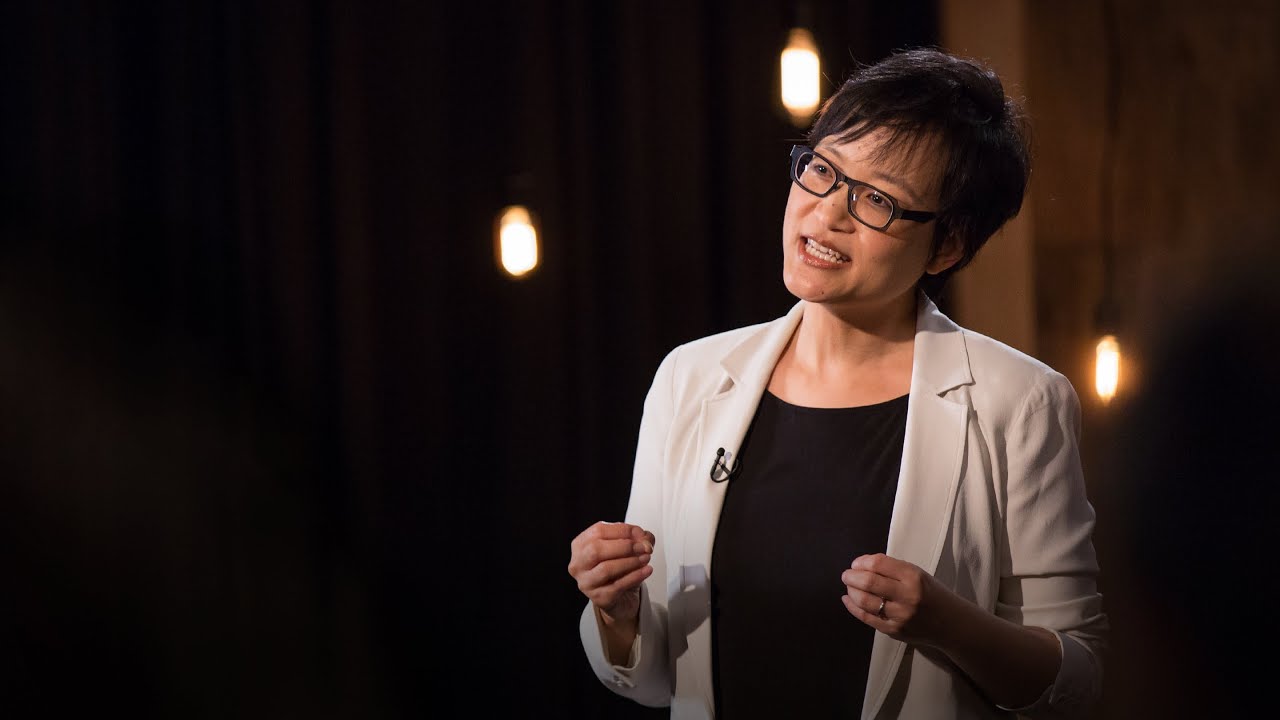
Most of the talks on this list are by behavioral economists and cognitive scientists. This talk is a little different, coming from philosopher Ruth Chang. In it, she asks why some choices are so difficult – and what that means for the human condition.
Chang urges us to change the way we think about hard choices:
Bottom line: Hard choices are not a curse but a godsend. It is here, in the space of hard choices, that we have the power to create reasons for ourselves to become the distinctive people that we are.
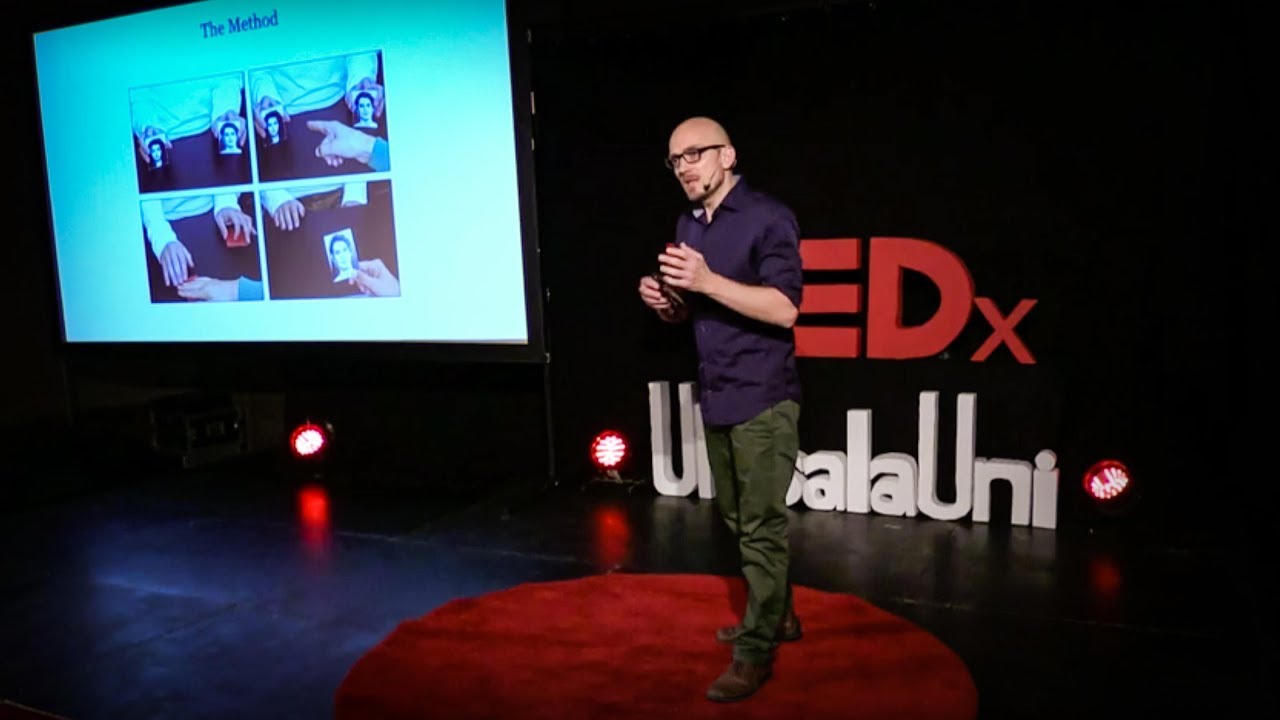
Experimental psychologist Petter Johansson researches choice blindness – a phenomenon where we convince ourselves that we're getting what we want, even when we're not. In this talk, he shares experiments that aim to answer the question: Why do we do what we do?
The experiments include:
Bottom line: Know that you don't know yourself. Or at least not as well as you think you do.
In this short talk, Sara Garofalo summarizes much of the other research on decision making. She explains how to overcome cognitive bias that arises from heuristics, problem-solving approaches based on previous experience and intuition rather than careful analysis.
Bottom line: We can't just shut off our brain's heuristics, but we can learn to be aware of them
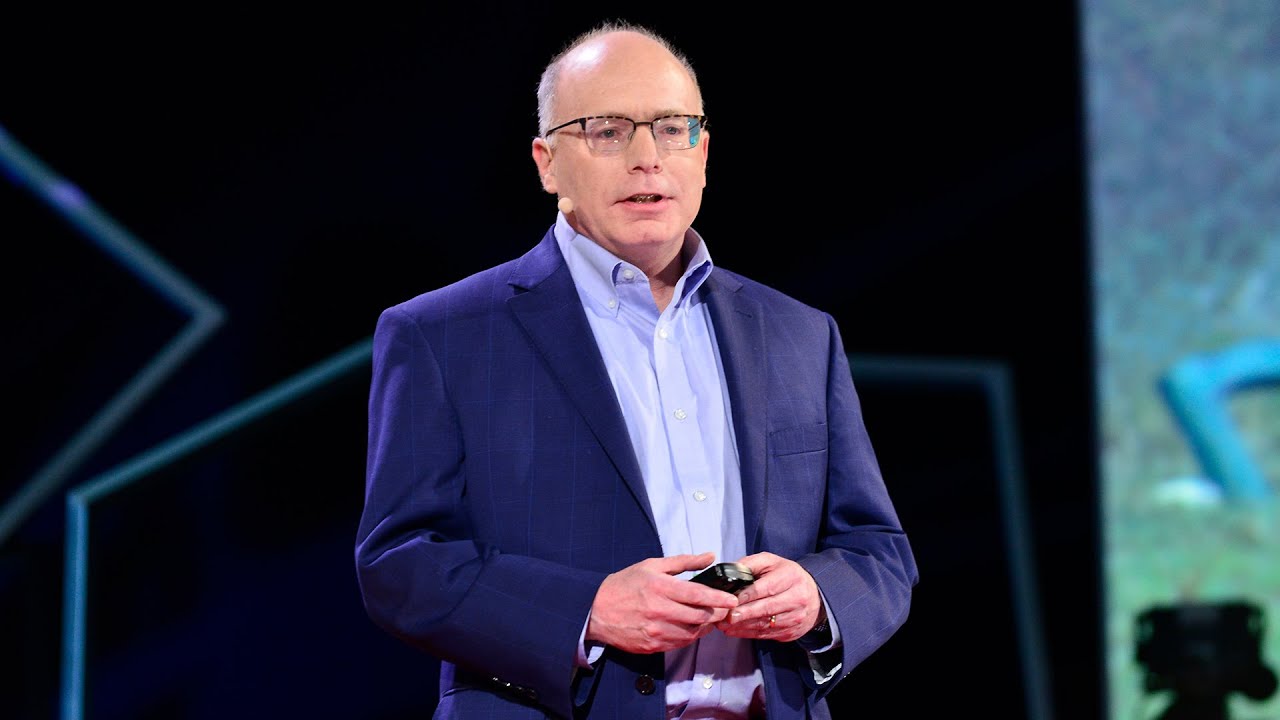
Ever wondered why we make poor decisions we know are bad for our health? In this talk, health policy expert David Asch explains how we can harness our irrationality to make better decisions – and improve our personal health decisions as well as the quality of our health care system.
Bottom line: When it comes to health care, understanding our irrationality is just another tool in our toolbox.
Nadav Shemer specializes in business, tech, and energy, with a background in financial journalism, hi-tech and startups. He writes for top10.com where he discusses the latest innovations in financial services and products.